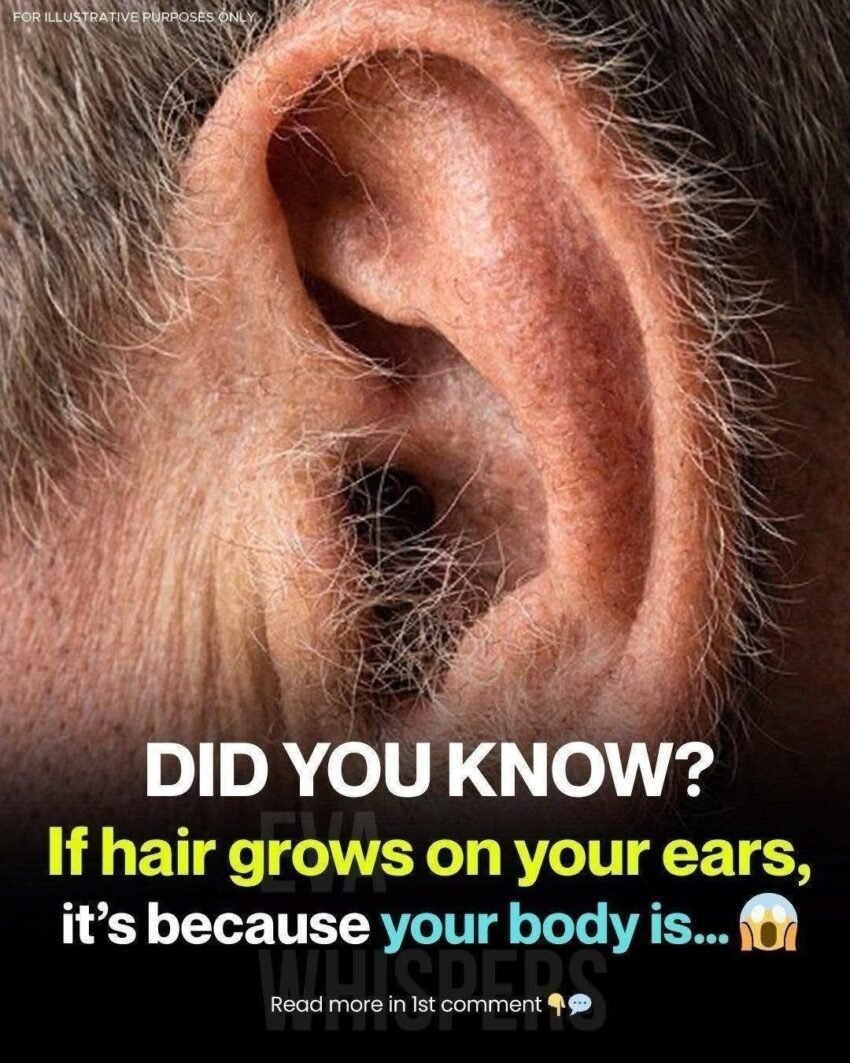
What Your Ear Hair Says About Your Health
Ear hair is usually completely normal. As people age, hair can become thicker or more noticeable in and around the ears because of changes in hair follicles and hormones.
But you may have seen claims that ear hair is a warning sign of heart disease, diabetes, or other serious conditions. The reality is more complicated.
1. More Ear Hair Is Often a Normal Part of Aging
Hair growth changes as we get older. Some people develop more noticeable hair on the:
- Outer ear
- Ear canal entrance
- Earlobes
- Tragus and surrounding skin
Genetics and hormones play a major role, so one person’s ear hair may be much more prominent than another’s.
Ear hair by itself isn’t a diagnosis of disease.
2. What About Heart by glands in the ear canal and helps protect and lubricate the ear. Hair may help prevent debris from traveling Disease?
You may have heard that hairy ears mean clogged arteries or heart disease.
Some observational studies have reported an association between excessive ear hair and coronary artery disease. However, an association does not establish that ear hair causes heart disease or that it can reliably predict who will develop it.
In other words:
Hairy ears ≠ proof of heart disease.
If you’re concerned about cardiovascular health, established risk factors such as blood pressure, cholesterol, diabetes, smoking, obesity, physical activity, and family history are much more meaningful.
3. Sudden Changes in Hair Growth
If you notice a rapid or unusual change in body or facial hair, it can sometimes be worth discussing with a doctor.
Hormonal changes, medications, and other medical conditions can affect hair growth. However, a gradual increase in ear hair with age is generally not alarming.
4. Ear Hair Protects the Ear
Hair around the ear canal isn’t completely useless.
Together with earwax and the skin lining the ear, it contributes to the ear’s natural protective barrier by helping trap particles and providing some protection against irritation.
That doesn’t mean you should allow excessive hair to grow deep inside the ear canal.
5. Should You Remove It?
If the hair is bothering you cosmetically, trimming the visible hair is generally preferable to putting objects deep into the ear canal.
You can carefully trim hair around the outer ear with an appropriate trimmer.
Avoid inserting scissors, tweezers, cotton swabs, or other objects deeply into the ear canal. Injuries to the ear canal or eardrum can occur.
6. Ear Hair Isn’t the Same as Earwax
Another common misconception is that more visible ear hair means you have excessive earwax.
They’re different things.
Earwax is produced by glands in the ear canal and helps protect and lubricate the ear. Hair may help prevent debris from traveling farther into the canal, but ear hair doesn’t tell you how much earwax you’re producing.
When Should You Actually Pay Attention?
The hair itself usually isn’t the important warning sign. Instead, pay attention to other ear symptoms, such as:
- New hearing loss
- Persistent ear pain
- Fluid or pus coming from the ear
- Blood from the ear
- Persistent ringing
- Significant dizziness
- A new lump or growth
- Severe itching or swelling
These symptoms warrant appropriate medical evaluation.
The Bottom Line
Ear hair is usually a normal feature, particularly as you get older. Although research has investigated possible associations between excessive ear hair and cardiovascular disease, ear hair is not a reliable test for heart disease or another illness.
So don’t panic if you’ve noticed more hair around your ears.
If you’re concerned about your heart health, focus on measurable risk factors—blood pressure, cholesterol, blood sugar, smoking, exercise, diet, and family history—rather than the amount of hair on your ears.
