Why Do I Get White Spots on My Skin in Summer—and How Can I Treat Them?
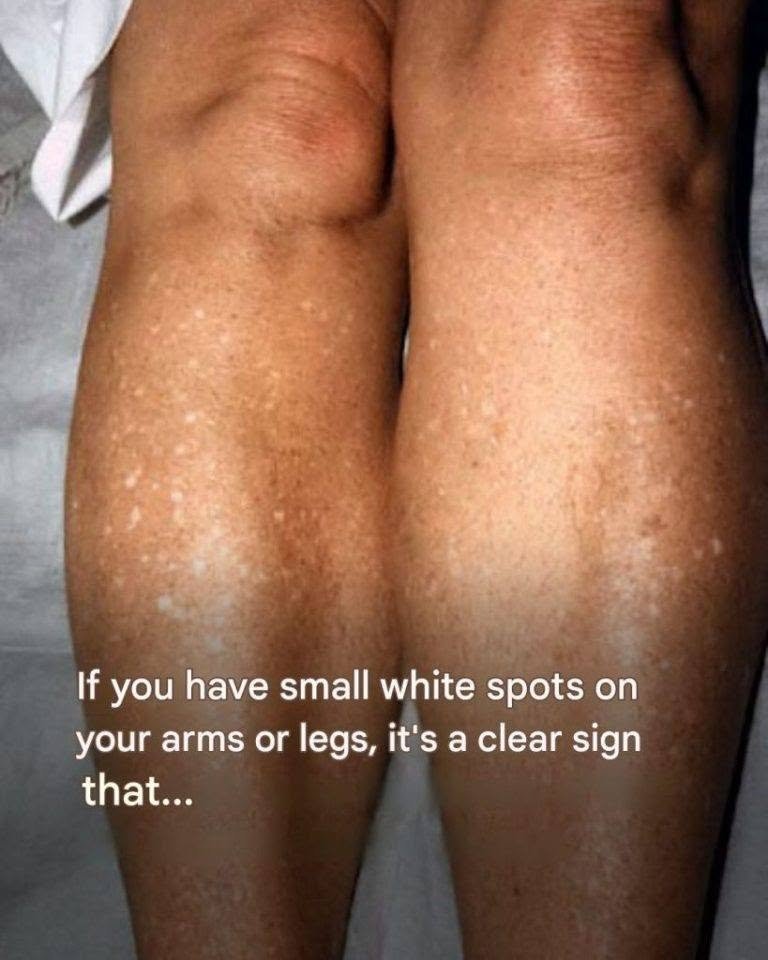
White or lighter-colored spots often become much more noticeable during summer because surrounding skin becomes darker with sun exposure while the affected areas don’t tan in the same way.
There are several possible causes, and the correct treatment depends on which one you have.
1. Tinea Versicolor — A Common Summer Cause
One of the most common explanations is tinea versicolor, a superficial fungal/yeast overgrowth on the skin.
It commonly appears on the:
- Chest
- Back
- Shoulders
- Upper arms
- Neck
The spots may be lighter, darker, pinkish, or slightly brown, and they can have very fine scaling. They may become more obvious after tanning.
How is it treated?
Treatment commonly involves an antifungal medication, such as an antifungal shampoo or cream. Depending on the extent and recurrence, a dermatologist may recommend a different treatment.
An important point: the fungus can clear before the skin color returns to normal. The lighter patches may take weeks or months to regain their normal pigmentation.
2. Pityriasis Alba
Pityriasis alba is another relatively common cause of pale patches, particularly in prescription topical medicines, phototherapy, and other options depending on the extent and location of the condition. A dermatologist should confirm the diagnosis before treatment children and young people.
The patches are usually:
- Pale rather than completely white
- Slightly dry
- Sometimes mildly scaly
- Most noticeable after sun exposure
Moisturizers and good sun protection are often helpful. A doctor may recommend a mild anti-inflammatory treatment if there is significant inflammation.
3. Vitiligo
Vitiligo is different from a superficial fungal infection.
It occurs when pigment-producing cells are lost, producing well-defined white patches. It can occur anywhere on the body, including the hands, face, around the mouth, and other areas.
Vitiligo is not contagious.
Treatment can include prescription topical medicines, phototherapy, and other options depending on the extent and location of the condition. A dermatologist should confirm the diagnosis before treatment.
4. Sun Exposure Can Make the Contrast More Obvious
Sometimes the spots aren’t actually becoming dramatically whiter—the surrounding skin is becoming darker.
That’s why someone may say:
“I only notice these spots in summer.”
Using broad-spectrum sunscreen can reduce tanning and therefore reduce the contrast between affected and unaffected skin.
5. Don’t Automatically Treat Every White Spot as Fungus
This is important.
Using an antifungal cream without knowing the cause may not help if the problem is vitiligo, eczema-related pigmentation changes, or another condition.
A dermatologist can often distinguish between causes by examining the pattern, scale, borders, and distribution. In uncertain cases, additional examination or testing may be needed.
When Should You See a Dermatologist?
Get the spots checked if they:
- Are bright white and sharply defined
- Are spreading or multiplying
- Affect the face, hands, or genitals
- Also affect hair in the area
- Are associated with itching or scaling
- Keep returning every summer
- Don’t improve with appropriate basic skin care
- Are accompanied by other unusual skin changes
Bottom line
White spots that become noticeable in summer are not necessarily caused by a fungal infection. Tinea versicolor, pityriasis alba, vitiligo, and other pigment changes can look similar but require different approaches.
If you describe where the spots are, whether they itch or have fine scaling, whether they’re completely white or just lighter than your normal skin, and how long you’ve had them, I can help you understand which possibilities fit best.
